
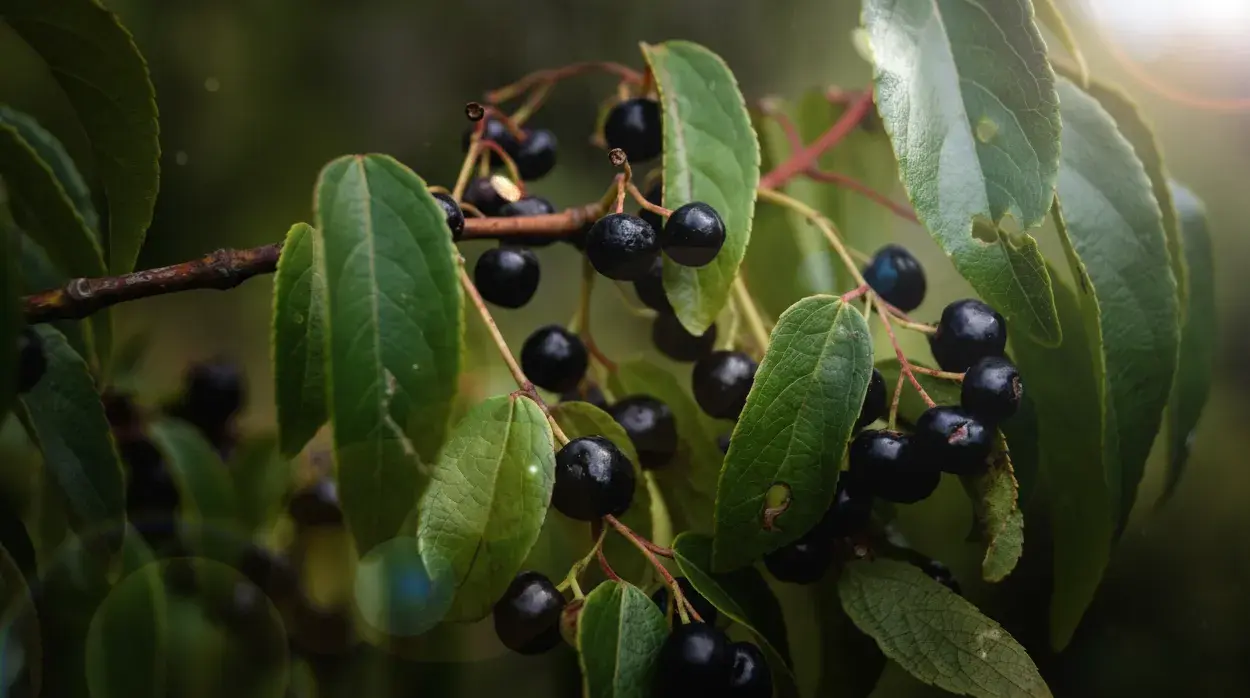
Discover five fascinating facts and health insights about Maqui Berry, the antioxidant-rich Patagonian superfruit transforming modern wellness.
If you’re interested in ways to promote health and well-being, you’ve probably heard of superfruits like goji berries, açaí and blueberries — but there’s one lesser-known berry rapidly gaining global attention: the Maqui Berry.
What Is Maqui?
The Maqui Berry (Aristotelia chilensis) is a small, dark purple fruit endemic to the temperate forests of Chilean Patagonia, though it is also present on the Argentinean side of the Andes. It thrives in areas with high rainfall, volcanic soil and moderate temperatures, making regions such as La Araucanía and Los Ríos ideal for natural growth.
Maqui is not widely cultivated and is primarily wild-harvested by rural and Indigenous communities, particularly the Mapuche people in southern Chile. Known as the “Patagonian Superfruit,” Maqui is gaining global attention for its high antioxidant content and potential health-supporting properties.
Below, we explore five lesser-known facts about Maqui Berry that highlight its unique origin, cultural relevance and nutritional profile.
1. Maqui Berry in Mapuche Tradition
Maqui played an important role in the traditional medicine and ceremonial practices of the Mapuche — one of the Indigenous groups inhabiting southern Chile. From the fruit to its roots, the entire plant was valued for its functional uses.
- In traditional Mapuche medicine, the fruit was used for digestive support, to reduce fever and as an anti-inflammatory remedy.
- Maqui was consumed by warriors to support endurance and strength.
- The plant’s trunk was traditionally used to build ceremonial totem-like structures.
Much of this knowledge is well documented in ethnobotanical sources, while other aspects continue to be shared through oral tradition.
2. Primarily Wild-Harvested
Unlike other superfruits such as blueberries or açaí, most commercial Maqui is still wild-harvested in southern Chile. Because it is not yet cultivated on a large scale, Maqui harvesting helps preserve biodiversity and reduce environmental impact.
3. Grows in a Unique Volcanic Climate
Maqui thrives in volcanic, mineral-rich soils and cold, humid climates, especially in the Andean foothills of Patagonia. Exposure to environmental stress may contribute to its high levels of protective phytochemicals, including anthocyanins.
Phytochemicals are bioactive, non-nutrient compounds found in plants. While not essential like vitamins or minerals, they support health by helping the body defend against oxidative stress.
4. Rich in Delphinidins: A Potent Antioxidant Profile
Maqui has the highest known concentration of delphinidin-type anthocyanins among berries. These compounds are associated with benefits related to skin wellness, eye comfort and inflammatory balance.
This deep purple pigment appears in far higher amounts in Maqui than in other berries, including blueberries and açaí.
For a detailed comparison of antioxidant-rich fruits, you can explore our superfruit comparison article.
5. Maqui Berry Health Benefits
Maqui’s exceptionally high antioxidant activity is reflected in its ORAC score. Here are some areas of potential health support:
Anti-Inflammatory Properties
Studies suggest Maqui extracts may help reduce inflammatory markers. This may be beneficial for individuals interested in supporting joint wellness or overall inflammatory balance.
Blood Sugar Management
Some clinical research indicates Maqui extract may help support a healthy glucose response, particularly in overweight or prediabetic individuals.
Eye Comfort
Certain Maqui compounds may help promote tear production and reduce occasional eye discomfort or fatigue.
Skin and Hair
Thanks to its antioxidant profile, Maqui may support skin elasticity and help protect against oxidative stress.
Cholesterol Balance
Some early research suggests Maqui may help support healthy LDL and HDL levels, contributing to overall cardiovascular wellness.
Final Thoughts: Why Consider Maqui Berry?
From its historical significance among the Mapuche people to its wild Patagonian origins and growing body of scientific research, Maqui Berry offers a rare blend of cultural heritage and modern wellness interest.
Whether consumed in powder, juice or capsule form, Maqui may support areas such as:
- Skin health
- Immune function
- Eye comfort
- Inflammatory balance
- Metabolic wellness
If you’re looking to explore Maqui-based products, you can visit our Store Locator to find the option that best suits your needs.
This article explores Maqui Berry’s origins, cultural relevance, phytochemical richness and potential health-supporting properties.