
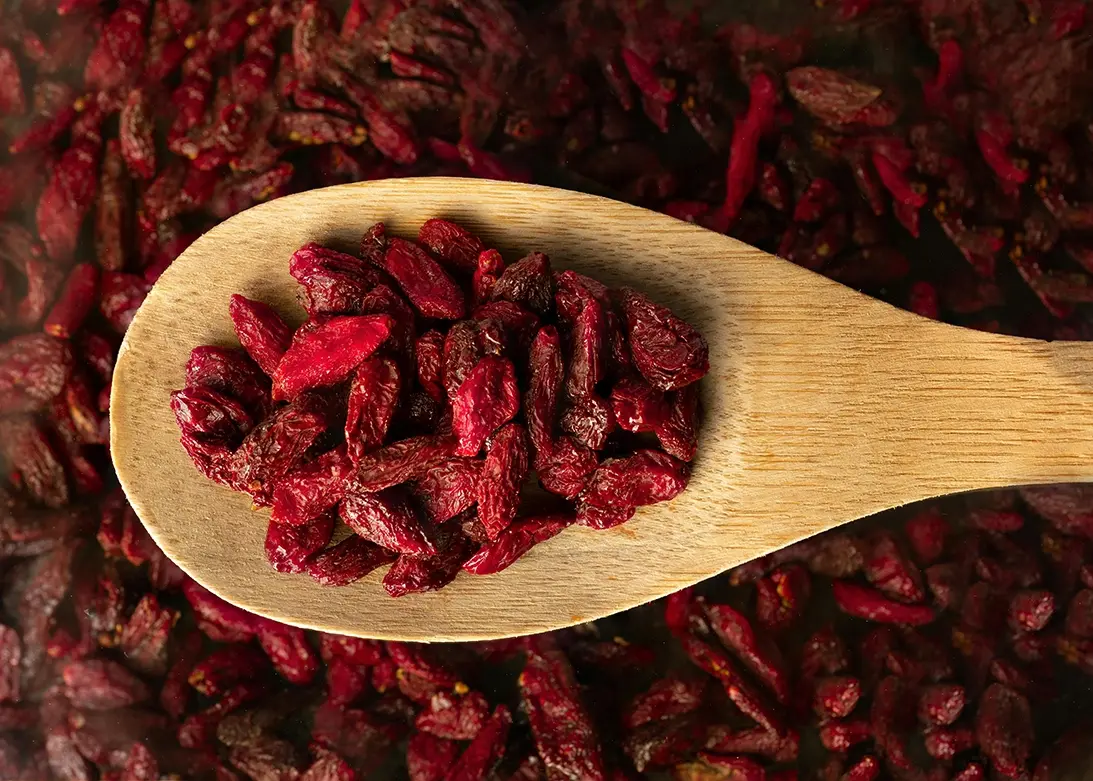
We break down what makes each of these fruits a superfruit and compare their antioxidant profiles and health benefits to help you understand what sets them apart.
What Is a Superfruit — and Why Is Everyone Talking About Them?
If you're someone who's always exploring the latest health and nutrition trends, you've probably heard the term superfruit. It's used to describe fruits that are exceptionally rich in nutrients — especially antioxidants, vitamins, minerals, and fiber.
The rise of superfruits is closely tied to a global shift toward natural wellness and functional foods. As people learn more about how oxidative stress relates to aging and overall wellness, antioxidant-rich foods have become increasingly popular.
Superfruits are also incredibly versatile — easy to enjoy in juices, powders, capsules, smoothie bowls, and even skincare — which makes them a staple in both the health and beauty industries.
Some of the most popular superfruits include maqui, açaí, goji berries, and blueberries. Here's a closer look at each one, their origins, and what makes them unique.
Meet the Contenders: Maqui, Açaí, Goji & Blueberries
Maqui: The Patagonian Powerhouse
The maqui berry (Aristotelia chilensis) grows wild in the untouched forests of Patagonia, a region shared by southern Chile and Argentina. This pristine environment — rich in biodiversity and free from pollution — gives maqui an unparalleled purity and potency.
For generations, maqui has been valued by local communities in southern Chile's native forests, who wild-harvest it using low-impact methods passed down through families. It remains deeply connected to traditional wellness practices in the region.
Though still lesser known globally compared to açaí, goji, and blueberries, maqui is quickly gaining recognition for having one of the highest antioxidant capacities of any known fruit.
This is evident in its exceptionally high ORAC score (Oxygen Radical Absorbance Capacity), a method used to measure a food's capacity to neutralize free radicals in laboratory testing. Maqui's ORAC score significantly surpasses its competitors.1
What truly sets maqui apart is its concentration of anthocyanins — especially delphinidins, a potent subgroup studied for their role in supporting a balanced inflammatory response, skin wellness, and eye comfort. Maqui is currently recognized as the richest natural source of delphinidins.
In addition to antioxidants, maqui also provides essential nutrients such as:
- Vitamin C – Supports immune health and collagen production
- Potassium & Iron – Essential for heart health and energy
- Calcium – Supports strong bones
- Fiber – Promotes digestion and gut health
Thanks to this unique combination, maqui may help support:
- A balanced inflammatory response
- A healthy glucose response
- Immune function
- Cardiovascular wellness
- Eye comfort
- Skin's resilience to oxidative stress
- Metabolic wellness
Want to go deeper on maqui specifically? We cover its Patagonian origins, wild-harvesting story, and the clinical research behind it in Unlocking the Secrets of Maqui Berry.
Açaí: The Amazonian Classic
The açaí berry (Euterpe oleracea) is native to the Amazon rainforest and has been a dietary staple of Indigenous Amazonian communities for generations. Its rise to global fame came through smoothie bowls and wellness culture.
Açaí is low in sugar, rich in healthy fats, and provides nutrients like:
- Vitamin A – Supports vision and immune health
- Calcium – Strengthens bones
- Fiber – Supports digestion
- Anthocyanins & Flavonoids – Antioxidant compounds
Açaí may help support:
- A healthy response to oxidative stress
- Brain function
- Heart health
- Metabolism
Although açaí has a meaningful ORAC score, laboratory testing shows maqui's antioxidant capacity is significantly greater.1
Goji Berries: A Traditional Asian Remedy
Native to China and Tibet, goji berries have been used in traditional Chinese medicine for more than 2,000 years.
They provide a wide range of nutrients:
- Vitamin C – Supports immunity and skin health
- Vitamin A – Essential for vision and skin
- Iron – Supports oxygen transport
- Zinc & Selenium – Support metabolism and immune function
- Fiber – Promotes satiety and digestion
- Zeaxanthin – A key antioxidant for eye wellness
Goji berries may help support:
- Eye comfort
- Immune function
- Skin wellness
- Liver wellness
Blueberries: The Accessible Superfruit
Native to North America, blueberries are among the most widely available superfruits.
They're rich in:
- Vitamin C – Immunity and skin support
- Vitamin K – Bone health and blood clotting
- Manganese – Metabolism and bone formation
- Fiber – Digestive health
- Anthocyanins & Flavonoids – Powerful antioxidants
Blueberries may help support:
- Brain function
- Heart health
- A healthy response to oxidative stress
- Immune function
- Digestion
So… How Do They Compare on Antioxidant Capacity?
All four superfruits offer valuable nutritional support — for immunity, heart health, skin, and vision. But when it comes to antioxidant capacity as measured by ORAC testing, maqui stands out from the group.
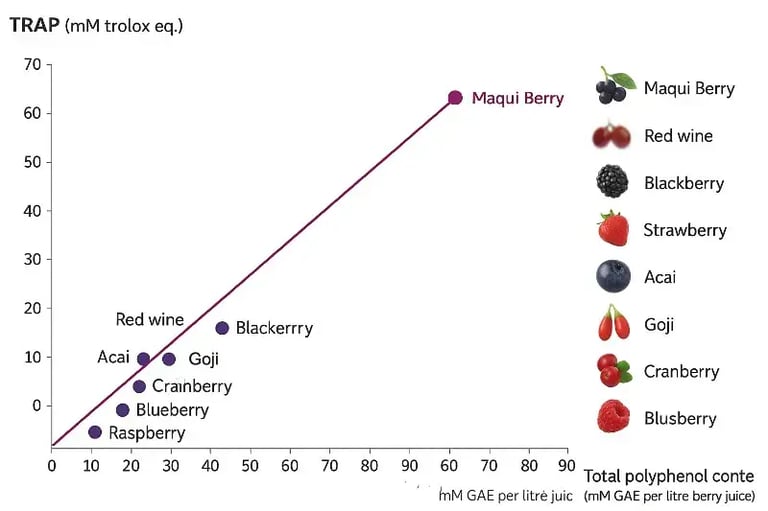
Independent laboratory testing measured maqui berry extract (Delphinol®) at an ORAC value of approximately 30,852 µmol TE/g — notably higher than the ORAC values reported for açaí, goji, and blueberry.
Watson et al., Minerva Cardioangiol, 2015If you're looking to add a high-antioxidant option to your daily routine, maqui is worth considering alongside these other well-known superfruits.
How to Incorporate Maqui Into Your Diet
There are many simple ways to add maqui to your lifestyle, whether you're looking for convenience or culinary creativity:
- Capsules – Standardized extracts like Delphinol® or MaquiBright® offer an easy daily option.
- Functional beverages – Some wellness or energy drinks include maqui as a key ingredient.
Use our Store Locator to explore the best maqui products and find the one that's right for you.
Frequently Asked Questions
What is a superfruit?
A superfruit is a term used to describe fruits that are exceptionally rich in nutrients — particularly antioxidants, vitamins, minerals, and fiber — and are often studied for their potential health-supporting properties.
Which superfruit has the highest antioxidant capacity?
Based on ORAC (Oxygen Radical Absorbance Capacity) laboratory testing, maqui berry has one of the highest antioxidant values recorded among berries, surpassing açaí, goji, and blueberries.
How does maqui berry compare to açaí?
Both are antioxidant-rich berries native to South America, but maqui contains a notably higher concentration of delphinidin-type anthocyanins, giving it a significantly higher ORAC value than açaí.
Can maqui berry support eye comfort like goji berries do?
Both maqui and goji berries have been studied for their potential to support eye wellness. Maqui's delphinidin content in particular has been studied for its role in supporting tear fluid production and easing occasional eye discomfort from screen use.
Can I combine maqui with other superfruits?
Yes. Many people combine maqui powder or extract with other superfruits like blueberries or açaí in smoothies, juices, or bowls to diversify their nutrient intake.
How can I add maqui berry to my diet?
Maqui is available in several formats, including standardized extract capsules like Delphinol® and MaquiBright®, powders, and functional beverages. Use our Store Locator to find the option that best fits your routine.
These statements have not been evaluated by the Food and Drug Administration. This product is not intended to diagnose, treat, cure, or prevent any disease.
References
- Watson RR, et al. Nutraceutical and antioxidant effects of a delphinidin-rich maqui berry extract (Delphinol®). Minerva Cardioangiol. 2015;63(Suppl. 1 No. 2):3-8.
- Davinelli S, Bertoglio JC, Zarrelli A, Pina R, Scapagnini G. A randomized clinical trial evaluating the efficacy of an anthocyanin–maqui berry extract (Delphinol®) on oxidative stress biomarkers. J Am Coll Nutr. 2015;34(S1):28-33. doi:10.1080/07315724.2015.1080108
- Yamashita SI, Suzuki N, Yamamoto K, Iio SI, Yamada T. Effects of MaquiBright® on improving eye dryness and fatigue in humans: a randomized, double-blind, placebo-controlled trial. J Tradit Complement Med. 2019;9:172-178. doi:10.1016/j.jtcme.2018.11.001